Can you clean solar panels yourself?
Some of it, from the ground. The rest is where most of the risk lies.
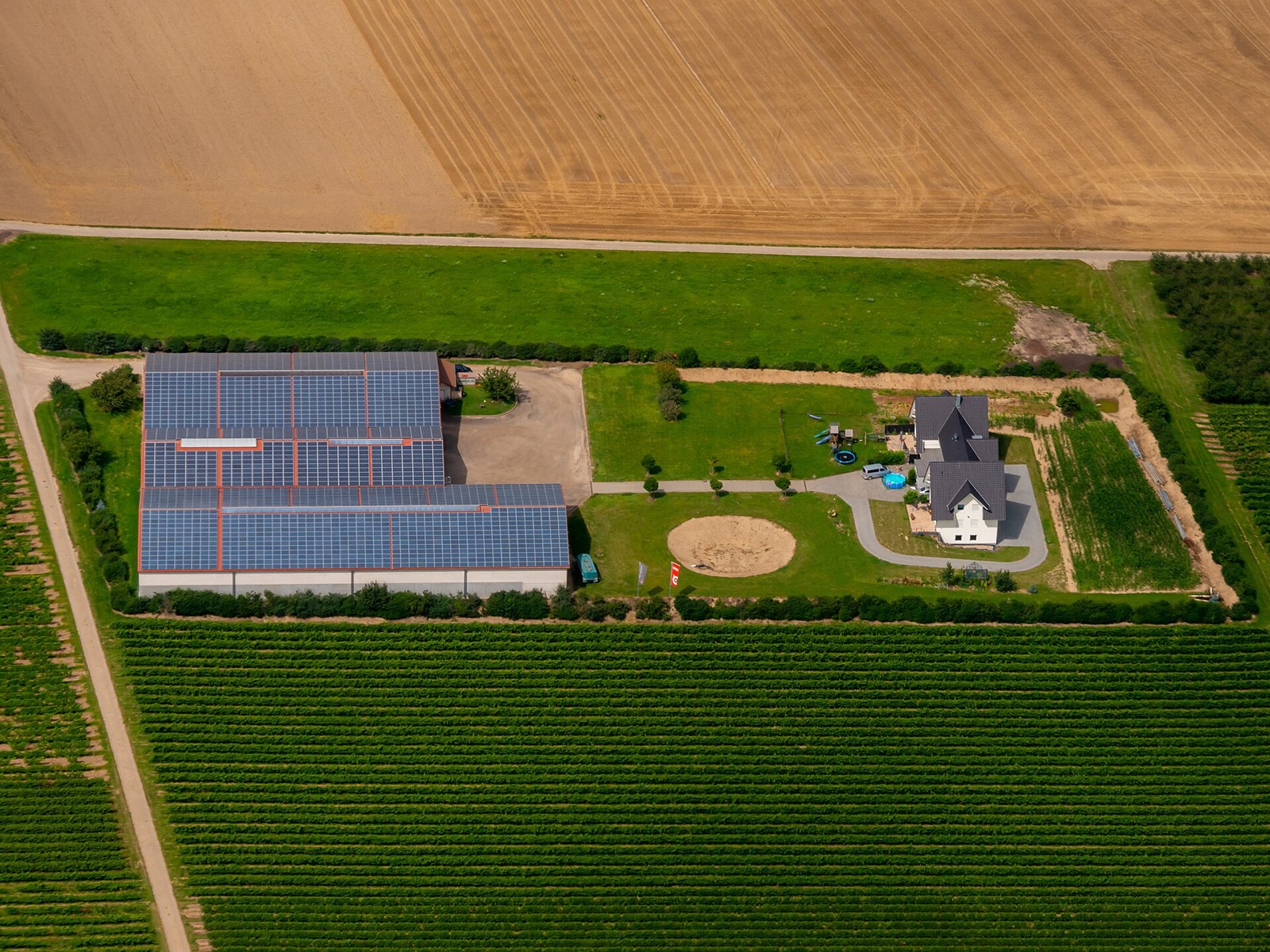
A hose, a soft brush and a sunny Saturday morning: cleaning your own solar panels looks simple. For panels you can reach safely from the ground, it can be. For panels on a roof, the risks are higher than most people expect, both to you and to the panels.
This guide covers what you can safely do yourself, what to avoid and when it is worth calling in a professional.
Roof safety comes first
Most solar panels in the Eastern Cape sit on roofs, often on a double-storey house. Roof work is one of the most common causes of serious household injuries, and solar panels add to the danger:
- Wet surfaces are slippery. Water on tiles, roof sheeting and glass makes every step riskier.
- Panels hide the roof. It is hard to see where it is safe to put your weight.
- Ladders are unstable on soft ground, paving with a slope or against gutters.
- Wind in the Bay can pick up quickly, and a gust is enough to unbalance someone carrying a brush and hose.
If you would need to climb onto the roof to reach your panels, our advice is simple: don’t.
Why you should never stand on panels
Solar panels are built to handle wind, rain and hail, but not the weight of a person. Standing, kneeling or leaning on them can:
- crack the glass
- cause tiny cracks in the cells underneath, called microcracks, that you can’t see but that reduce output over time
- bend the frame or stress the mounting
Damage like this may not be covered by the panel’s warranty.
Hoses, tap water and mineral spots
Water is the right thing to clean panels with, but how you use it matters.
- Tap water contains minerals that can leave white spots on the glass as it dries, especially on a hot day.
- Cold water on hot glass causes a sudden temperature change. Many manufacturers advise cleaning in the early morning or late afternoon, when the panels are cool.
- A gentle flow is safer than a powerful jet, which can force water into seals and junction boxes.
What to avoid completely
- Pressure washers. High pressure can damage seals and the glass coating, and some manufacturers rule them out.
- Abrasive brushes, scourers and sponges with a scrubbing side, which can scratch the glass.
- Harsh chemicals, including household cleaners, solvents and dishwashing liquid in strong mixes. They can damage the coating or leave a film that attracts more dust.
- Metal tools of any kind, including scrapers for bird droppings.
What you can safely do from the ground
If your panels are on a ground mount, a carport you can reach without climbing, or a low roof edge you can reach from the ground with an extension pole, you can keep them in reasonable shape between professional cleans:
- Choose a cool time of day, early morning or late afternoon.
- Turn the system off if your installer recommends it.
- Rinse the panels gently with a hose to loosen dust.
- Use a soft brush on an extension pole with plenty of water.
- Rinse again from the top down.
- Never lean on the panels or the frame.
When to call a professional
Leave it to a professional when:
- the panels are on a roof that you would have to climb onto
- there are dried droppings or a salt film that rinsing doesn’t remove
- you have a large or commercial array
- you are not sure what your warranty allows
A professional clean also gives someone a close look at the array, so problems such as cracked glass or birds nesting underneath get noticed.
For more on how often to clean, read how often solar panels in Gqeberha need cleaning, or see how we clean panels on our solar panel cleaning page.