
How often should solar panels be cleaned in Gqeberha?
There is no single right answer for every roof in the metro. Here is how to work out the right interval for yours.
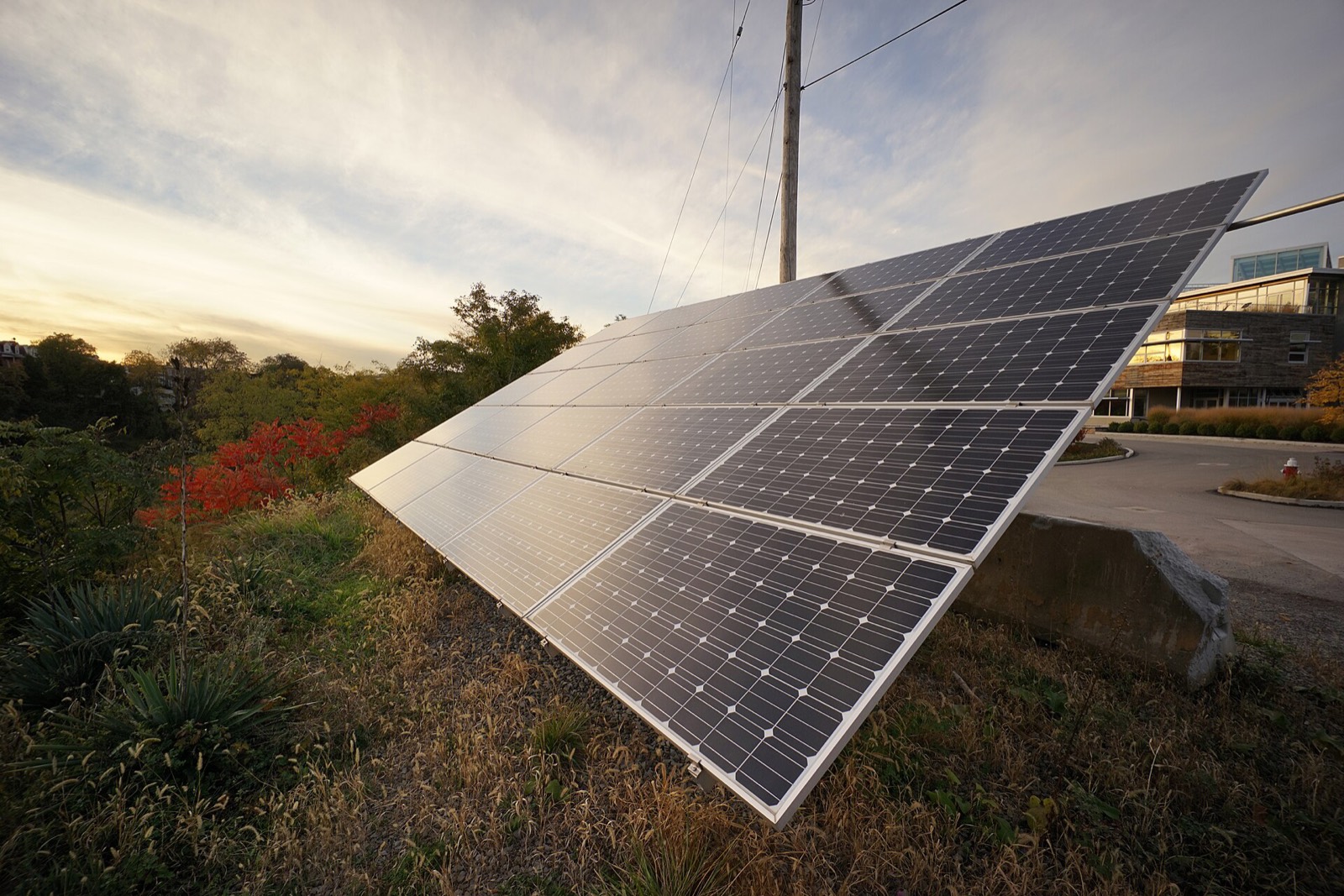
Most solar installers in South Africa will tell you that panels need very little looking after. That is broadly true: there are no moving parts, and a well-installed system can run for many years without anyone climbing onto the roof. But “very little” is not the same as “nothing”, and in a city as windy, salty and dusty as Gqeberha, the glass on top of your panels gets dirty faster than most owners expect.
This guide explains what builds up on panels in Port Elizabeth, how often to have them cleaned, and how to tell for yourself when it is time.
Why panels in Gqeberha get dirty
Solar panels make electricity from the light that passes through their front glass. Anything sitting on that glass, whether it is dust, a salt film or a bird dropping, reduces the light that reaches the cells beneath it. Gqeberha has more than its fair share of all three.
- Wind. The Windy City earns its name. Strong winds carry fine dust and grit from building sites, gravel roads, open veld and the industrial areas, and drop it on any flat or gently sloped surface, including your roof.
- Salt. Close to the sea, wind picks up a fine spray that dries on glass as a thin, hazy film. It builds up slowly, so it is easy to miss until the panels look dull next to a clean window.
- Birds. Gulls and other birds that follow the coast and the harbour leave droppings that dry hard on the glass. Unlike dust, droppings block light completely in one spot.
- Trees and gardens. In older, leafier suburbs, pollen, leaves and sap add to the mix, and leaves often collect along the bottom edge of each panel.
Does rain not clean them?
Rain helps, but less than you might think. A good downpour rinses off loose dust, especially on steeply tilted panels. Light rain, on the other hand, tends to mix with the dust and leave it behind as a muddy film when it dries, often concentrated along the lower frame. Rain does very little to shift salt film or dried bird droppings.
Panels mounted at a low angle, which is common on flat and low-pitched roofs, collect more dirt and are rinsed less effectively by rain than steeper ones.
So how often should they be cleaned?
For most homes in Gqeberha, a professional clean once or twice a year is a sensible starting point. From there, adjust for your roof:
- Clean more often if you live close to the sea, near a busy road or construction, in the path of wind from open ground or the industrial areas, under or near trees, or if birds like to perch on or near your roof.
- Clean less often if your panels are steeply tilted, well away from the coast and dust sources, and you can see that they stay reasonably clear between cleans.
Many owners time a clean for the end of the drier, windier months, so the panels are clear ahead of the longest days of summer. Commercial and farm installations, where the system is a bigger investment, often go on a regular schedule.
After a first clean, we can look at how quickly your panels dirty up again and suggest an interval that suits your roof rather than a generic one.
How to tell if your panels need cleaning
You do not need to climb onto the roof to check. In fact, please don’t.
- Look from the ground or an upstairs window. Compare the panels with a recently cleaned window. Visible patches, a grey haze or white spots usually mean it is time.
- Check your inverter app. Most modern systems let you see daily production. Compare clear, sunny days from a similar time of year. A gradual drop that does not match the weather can point to dirty panels, although it can also point to a fault, so treat it as a prompt to look rather than a diagnosis.
- Look for droppings. Even a few large droppings are worth removing, because they block light completely where they sit.
Does cleaning improve output?
Clean glass lets more light through than dirty glass, so clean panels are better placed to produce what they were designed to. How much difference a clean makes depends on how dirty the panels were, the angle they sit at, the season and the weather. That is why we don’t promise a percentage. The honest way to judge it is to compare your own inverter readings on similar sunny days before and after a clean.
Should you clean them yourself?
It is tempting to grab a hose and a ladder. There are good reasons not to:
- Safety. Roofs are hard to walk on, and wet panels and tiles are slippery. Falls from roofs are a common cause of serious household injuries.
- Damage. Panels are not designed to be walked on, and stepping on them can crack the glass or the cells beneath it. Abrasive brushes, scourers and harsh detergents can scratch the glass or damage its coating.
- Warranty. Some manufacturers set out how their panels may be cleaned. Pressure washers and certain chemicals can be ruled out.
- Water spots. Tap water left to dry on glass can leave mineral marks, especially on a hot day.
If you do clean panels you can reach safely from the ground, use soft brushes and plenty of water, avoid cleaning hot panels in the middle of the day, and never stand on them.
What a professional clean involves
When we clean solar panels in Gqeberha, we start with photos and a quote, check the roof and the way up before anyone climbs, and clean the glass, frames and edges panel by panel with soft brushes and water. Afterwards we look over the array and let you know if we noticed anything your installer should see, such as cracked glass or birds nesting underneath.
You can read more on our solar panel cleaning page, or see what we do across the metro on our Port Elizabeth solar cleaning page.
The short version
- Once or twice a year suits most Gqeberha homes.
- Coastal, dusty, windy and tree-lined roofs need more frequent cleaning.
- Use your inverter app and your eyes to decide, not the calendar alone.
- Keep off the roof, and leave anything you cannot reach from the ground to a professional.
Send us a photo of your roof and the number of panels, and we will come back with a quote.