
Why bird droppings on solar panels matter
A few droppings look harmless from the ground. On a solar panel, they can matter more than a whole layer of dust.
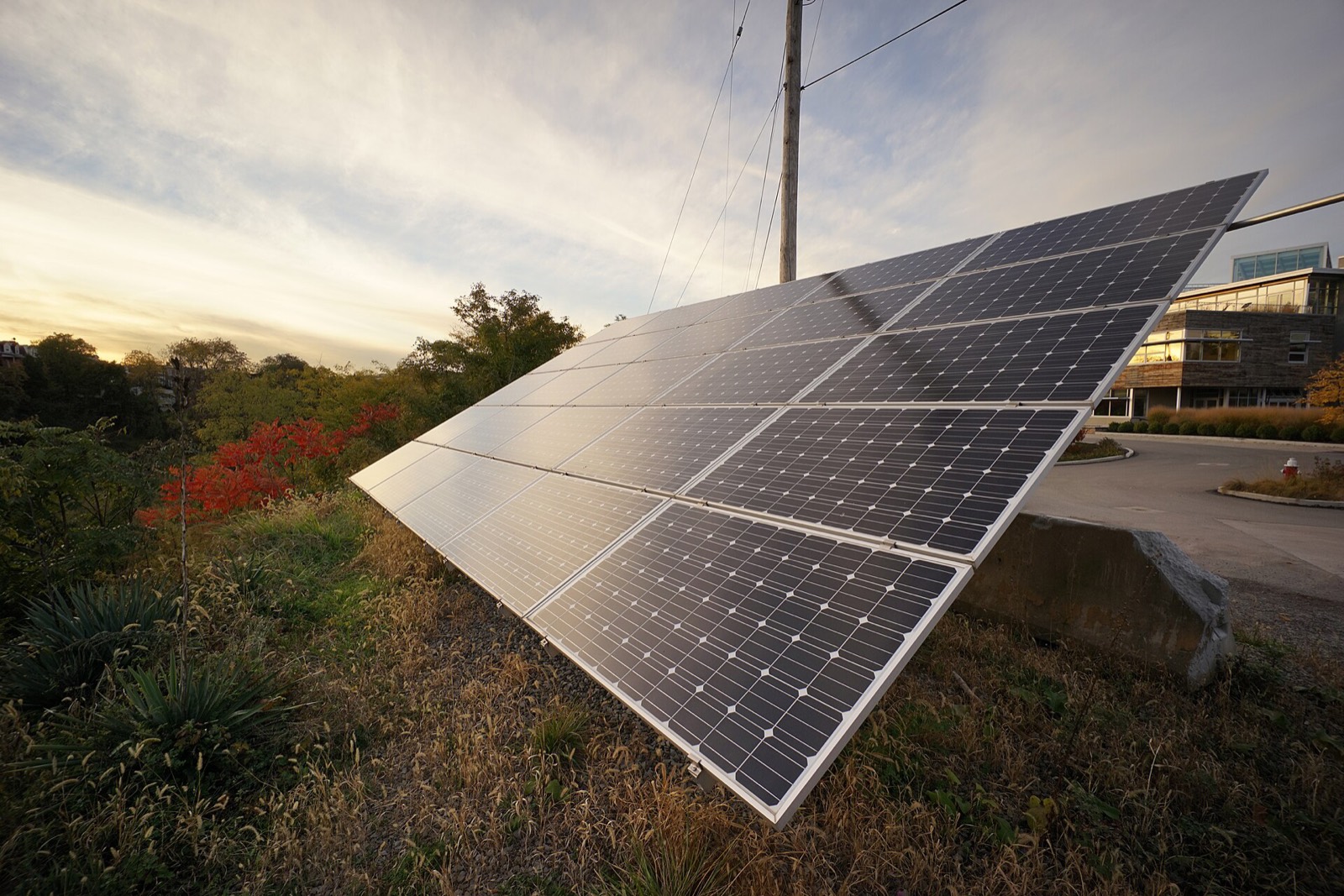
If you live near the sea in Gqeberha, Jeffreys Bay or Cape St Francis, you will know that gulls and other birds treat rooftops as their own. A sunny roof with a good view makes an ideal perch, and solar panels are no exception. What birds leave behind can affect your solar system more than most owners realise.
Why droppings block more light than dust
Dust and salt usually spread across a panel as a thin, even film. They dim the panel slightly but let most light through.
Bird droppings are different. They dry into a hard, thick layer that blocks light completely in one spot. That matters because of how panels are built. The cells in a panel are wired together in groups, and when one part of a group is heavily shaded, it can hold back the output of the cells around it. Many panels have bypass diodes to limit the effect, but a shaded patch still costs you some of what that panel could produce.
In other words, a single large dropping can have an effect out of proportion to its size.
Gulls and coastal birds
Along the Eastern Cape coast, gulls are the most common culprits, along with pigeons, mynas and other birds that roost on roofs. Homes near the beachfront, the harbour, rivers or open water tend to see the most droppings. Roofs that birds use as a regular perch, such as the highest point on the street, collect them fastest.
Droppings also tend to bake onto the glass in the sun, which makes them harder to shift the longer they stay.
Birds nesting under the array
Panels mounted on a roof leave a gap between the panels and the roof sheeting or tiles. For pigeons and other birds, that gap is a sheltered nesting spot. Nesting brings its own problems:
- twigs, feathers and debris collecting under and around the panels
- more droppings on the panels and the roof
- droppings and debris around cables and connectors
- noise, and mess on the walls and paving below
If you see birds flying in and out from under your panels, or debris building up at the edges, mention it when you book a clean. We can tell you what we see, and your installer can advise on proofing the gap so birds can’t get back in.
Removing droppings safely
It is tempting to scrape a dropping off. Please don’t. Scraping can scratch the glass or damage its coating, and dried droppings can contain grit that scores the surface as it is dragged.
The safer approach is to soak droppings until they soften, then lift them off with a soft brush and plenty of water. That is how we treat droppings when we clean solar panels: soaked and lifted, never scraped off the glass.
Avoid these:
- metal scrapers, blades or scourers
- harsh chemicals or household cleaners not meant for panels
- pressure washers, which can force water into seals
- climbing onto the roof or standing on the panels
When to call your installer
Some problems go beyond cleaning. Call your solar installer if you notice:
- birds nesting under the panels, so the gap can be proofed
- damaged or chewed cables
- cracked glass or a panel that looks discoloured
- a sudden drop in output that cleaning doesn’t explain
Keeping droppings down between cleans
You can’t stop birds visiting, but you can make your roof less attractive. Trim branches that overhang the roof, avoid feeding birds close to the house and have bird-proofing installed if birds nest under the panels. A regular clean then keeps the glass clear of what still lands on it.
If droppings are building up on your panels, see our solar panel cleaning page or what we do across the metro on our Port Elizabeth solar cleaning page.